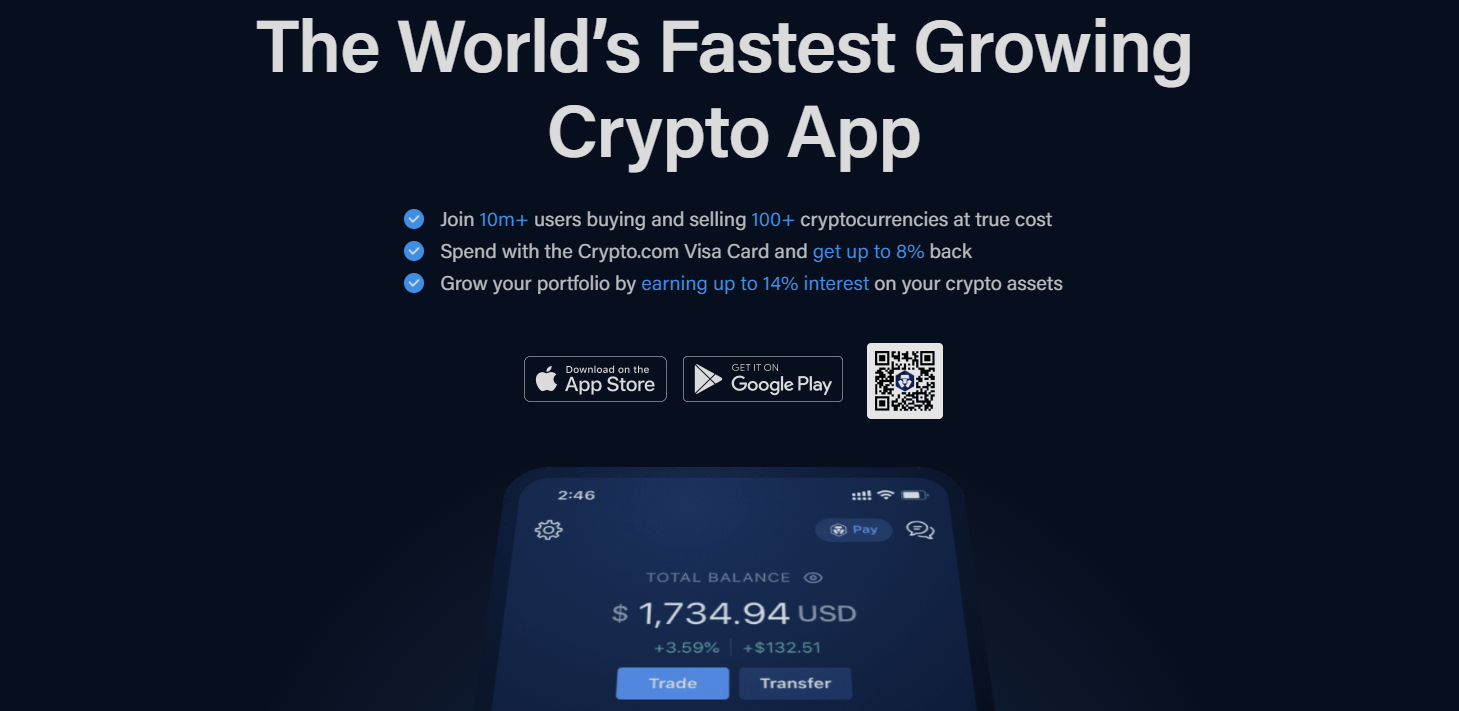




A green portfolio screen can hide a bad decision. So can a red one. If Bitcoin rises while a forgotten altcoin position collapses, the total balance alone tells you very little about risk, taxable gains, or where your capital is actually sitting. That is why crypto portfolio trackers have become a core tool for anyone holding assets across exchanges, wallets, staking platforms, and DeFi protocols.
The right tracker does not predict the next market move. It gives you a cleaner version of the truth before you make one. For US investors navigating volatile token prices, exchange transfers, ETF headlines, and shifting tax rules, that clarity can be more valuable than another price alert.
What Crypto Portfolio Trackers Are Built to Solve
A crypto portfolio tracker pulls balances and transaction history from places where you hold or move digital assets. That may include centralized exchanges, self-custody wallets, hardware wallets, Ethereum-compatible networks, Bitcoin wallets, staking services, and DeFi applications.
Without one, many investors rely on exchange dashboards and memory. That works when you bought a small amount of Bitcoin on one platform and never moved it. It breaks down quickly when you use multiple exchanges, bridge assets between chains, earn staking rewards, or rotate between stablecoins and altcoins during a fast market.
A tracker brings those positions into one view. Ideally, it shows current balances, historical portfolio value, realized and unrealized gains, average entry prices, asset allocation, transaction records, and the platforms or wallets holding each asset.
The phrase “one view” matters, but it should not be confused with perfect accuracy. A dashboard is only as reliable as the wallet addresses, exchange connections, pricing data, and transaction classifications behind it. Treat the numbers as a decision tool that needs periodic review, not as an unquestionable ledger.
The Features That Matter Most
The flashiest tracker interface is not always the most useful. For active market participants, the practical features tend to matter more than decorative charts.
Accurate cost basis and transaction history
Cost basis is the starting value of an asset for gain or loss calculations. It becomes complicated after transfers, token swaps, staking rewards, airdrops, wrapped tokens, and purchases made at different prices. A good tracker preserves the transaction trail instead of simply showing the current market value.
This is especially relevant for US taxpayers. Sending crypto from one wallet you control to another is generally not the same as selling it, but poor transaction matching can make an internal transfer look like a disposal. That can distort gain estimates and create a much harder cleanup job later.
Look for a tool that lets you review, edit, label, and reconcile transactions. Automation saves time, but manual correction is a feature, not a failure.
Broad exchange, wallet, and chain coverage
Coverage should match your actual behavior. If you only use a major exchange and hold Bitcoin and Ethereum, broad DeFi support may not justify paying for a premium plan. If you use several wallets, trade on decentralized exchanges, or hold assets across multiple networks, limited coverage can make a tracker nearly useless.
Before committing, list where your assets live. Include dormant exchange accounts and wallets that may hold small balances. The tracker should support the chains and platforms you use now, plus enough of the ecosystem to avoid another migration when your strategy changes.
Transparent DeFi and staking tracking
DeFi is where simple balance tracking often becomes misleading. Supplying assets to a lending pool, depositing into a liquidity pool, or locking tokens for staking can replace a familiar asset with a receipt token, an LP token, or a position represented by a smart contract.
A capable tracker should identify those positions and show what is actually underneath them. It should also separate deposited principal from claimed rewards when possible. If it only displays an unknown token with a dollar value, you may still need to investigate the underlying activity yourself.
Allocation and exposure, not just performance
A portfolio that is up 20% can still be dangerously concentrated. Perhaps 70% of the gain came from one low-liquidity token, or your supposed diversification is really a group of altcoins that move almost exactly like Ethereum during a selloff.
Useful trackers organize holdings by asset, category, chain, account, and sometimes sector. Those views help answer questions that matter during volatile weeks: How much is in stablecoins? How much is exposed to one exchange? How much sits in speculative small-cap tokens? What percentage is locked or illiquid?
Performance is the headline. Exposure is the risk story behind it.
Security Is Part of the Product Decision
Connecting financial accounts always creates trade-offs. Exchange integrations commonly use application programming interface keys, while wallet tracking usually relies on public addresses. A portfolio tracker should never need your seed phrase or private keys to read balances.
For exchange connections, use read-only permissions wherever possible. Disable withdrawal and trading permissions unless there is a specific, well-understood reason to allow them. If a service asks for broader access than tracking requires, stop and examine the setup.
Also consider what privacy means to you. A tracker can assemble a detailed profile of your holdings, trading activity, wallet addresses, and account history. Read its security practices, account protection options, data-retention policies, and deletion process before importing years of activity.
Using a separate email address, a unique password, and two-factor authentication is basic protection. It is also worth reviewing connected exchange keys periodically, especially after you stop using an app.
How to Choose a Tracker Without Overpaying
Start with the problem you need to solve. Investors who want a net-worth snapshot have different needs from frequent traders preparing tax records or DeFi users monitoring positions across several chains.
A practical selection process has four steps:
- Map every exchange, wallet, chain, and protocol you actively use.
- Import one account first and compare several transactions with the original source.
- Test how the platform handles transfers, swaps, staking rewards, and missing prices.
- Review the cost only after confirming that the data is useful and complete.
Free plans are often enough for a simple buy-and-hold portfolio. Paid tiers make more sense when transaction volume is high, tax reporting is complex, or you need deeper DeFi coverage. Do not pay for advanced analytics just because they look sophisticated. A clean, accurate transaction record is more valuable than ten performance widgets.
There is also a case for using separate tools. One tracker may be better for daily portfolio monitoring, while another is stronger for tax categorization. That adds friction, but it can be the better choice for investors with significant activity across wallets and platforms.
Set Up Your Dashboard for Better Decisions
Once your accounts are connected, organize the dashboard around decisions you actually make. Group long-term holdings separately from active trading capital. Label wallets used for DeFi, cold storage, and spending. Mark transfers clearly so internal movements do not look like gains, losses, or new purchases.
Then review the numbers at a sensible rhythm. Constant checking can turn a portfolio tracker into another source of noise. Long-term investors may benefit from a weekly or monthly review, while active traders may need a daily check of exposure and available collateral.
Pay particular attention after major market events. A rapid Bitcoin move, a regulatory announcement, an exchange outage, or a DeFi exploit can change your exposure faster than your original thesis. The tracker helps you see the damage or opportunity, but it cannot decide whether the position still fits your plan.
Set alerts sparingly. Price alerts can be useful for major allocation thresholds or levels where you plan to rebalance. Alerts for every minor move often encourage reaction instead of analysis.
Common Tracking Mistakes That Create Bad Data
The most common mistake is assuming automated imports are final. Duplicate transactions, missing acquisition dates, unrecognized tokens, and mislabeled transfers are normal in crypto data. Review exceptions before they pile up.
Another mistake is tracking only assets with a visible dollar value. A small wallet balance, a locked staking position, or an old exchange account may seem irrelevant until it affects your tax records or becomes meaningful during a token rally. Completeness matters more than having a perfectly tidy dashboard on day one.
Finally, do not mistake an estimated gain figure for professional tax advice. Crypto tax treatment depends on the facts of each transaction, recordkeeping, and applicable rules. A tracker can organize the evidence, but it does not replace qualified tax guidance when the stakes are high.
The best portfolio dashboard is the one you trust enough to check before acting. Build it while markets are calm, clean up the data before tax season, and let it turn scattered crypto activity into a position you can actually understand.