


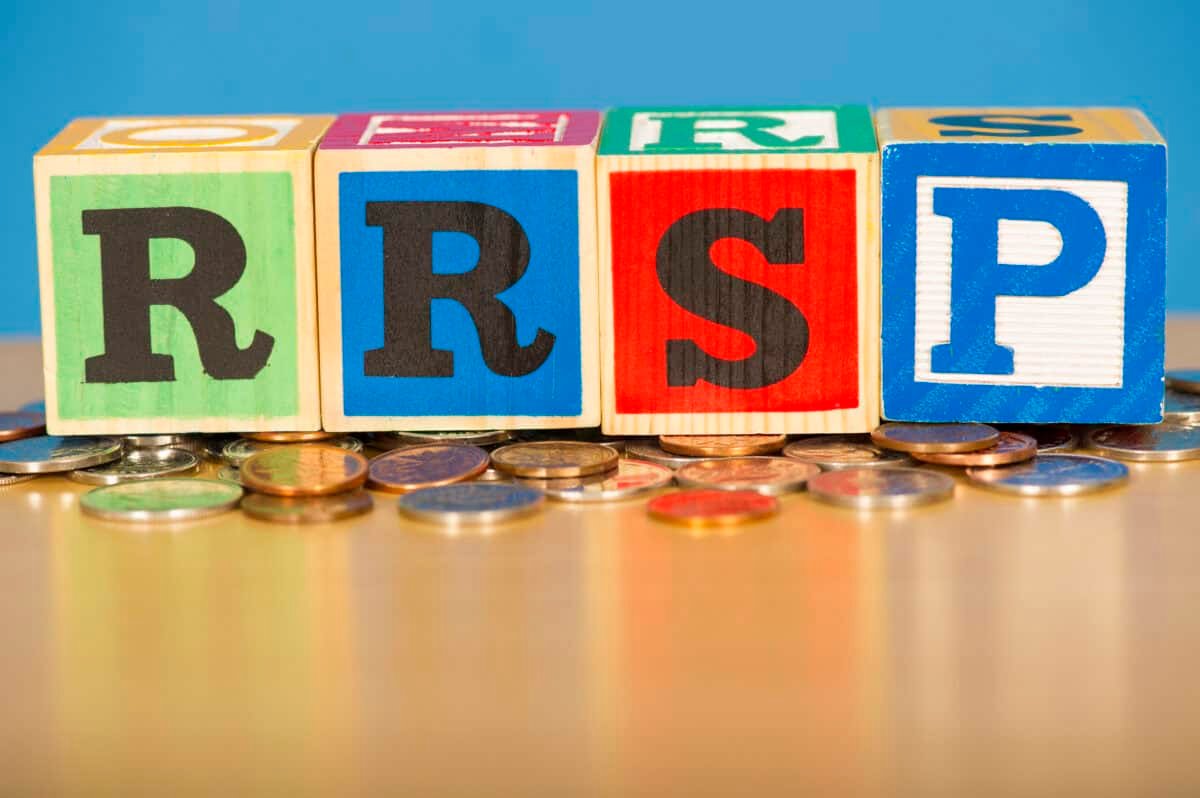

Priya is 34, lives in Kitchener, and just received a $15,000 bonus. Now, three people are telling her where to invest the money.
Her co-worker recommends investing in the RRSP (Registered Retirement Savings Plan), while her brother recommends the TFSA (Tax-Free Savings Account). Meanwhile, a friend advises Priya to save the money as a down payment for a condo.
Millions of Canadians face this investing dilemma every year. However, there is a sensible order to follow, which is quite simple.
Source: Getty Images
The right order for your retirement savings accounts in Canada
Begin investing in the RRSP, especially if your employer matches contributions to the registered account. Next, ask whether you want to buy a first home. If so, consider investing in the First Home Savings Account (FHSA).

You can invest up to $8,000 a year and $40,000 over your lifetime in the FHSA. Similar to RRSP contributions, the FHSA also lowers your tax bill. Moreover, qualifying first-home withdrawals in the FHSA are tax-free like a TFSA.
Then comes the real choice, because the TFSA and RRSP work in opposite ways.
TFSA vs. RRSP: Which is better for your tax bracket?
The RRSP gives you a deduction right away and taxes you on withdrawal. The TFSA offers no immediate tax deduction, but any income earned from qualified investments can be withdrawn without paying a single dollar in taxes.
So the contribution priority basically comes down to tax rates. If your income is high today and likely lower in retirement, the RRSP should be your priority investment account.
If your income is modest right now but you expect it to increase in the future, prioritize investing in the TFSA. Here, you skip a small deduction today to avoid tax at a higher rate later.
The ideal scenario is where you can max out contributions to both these registered accounts as well as the FHSA.
Can a dividend stock like Scotiabank work inside your TFSA?
While you need to save at least 15% of income, it’s also essential to put this capital to work.
One solid investment strategy is to own quality dividend stocks in the TFSA to create a recurring passive income stream and benefit from long-term capital gains.
One such Canadian dividend stock is the Bank of Nova Scotia (TSX: BNS). Over the last 10 years, BNS stock has returned 178% to shareholders after adjusting for dividend reinvestments.
So, a $10,000 investment in BNS stock in October 2016 would be worth almost $28,000 today.
Scotiabank pays shareholders a quarterly dividend of $1.14 per share, or $4.56 per year, which translates to a yield of 3.6%. In its fiscal third quarter (ended in July), Scotiabank reported adjusted earnings of $2.28 per share, up from $1.88 a year earlier.
Adjusted return on equity, a measure of profit earned on shareholders’ money, rose to 14.2%. At Scotiabank’s Financials Summit on Sept. 9, an analyst noted the bank hit its 14% return on equity target about two years early. CEO Scott Thomson explained:
This whole strategy has been about business mix. That’s what we’ve been trying to do.
He added that investors are now seeing the shift in every business line, which is a useful signal for long-term holders.
A bank that earns more from fees, savings and wealth management leans less on any single product. However, Scotiabank’s Latin American exposure brings currency and economic swings that Canada-focused banks largely avoid.